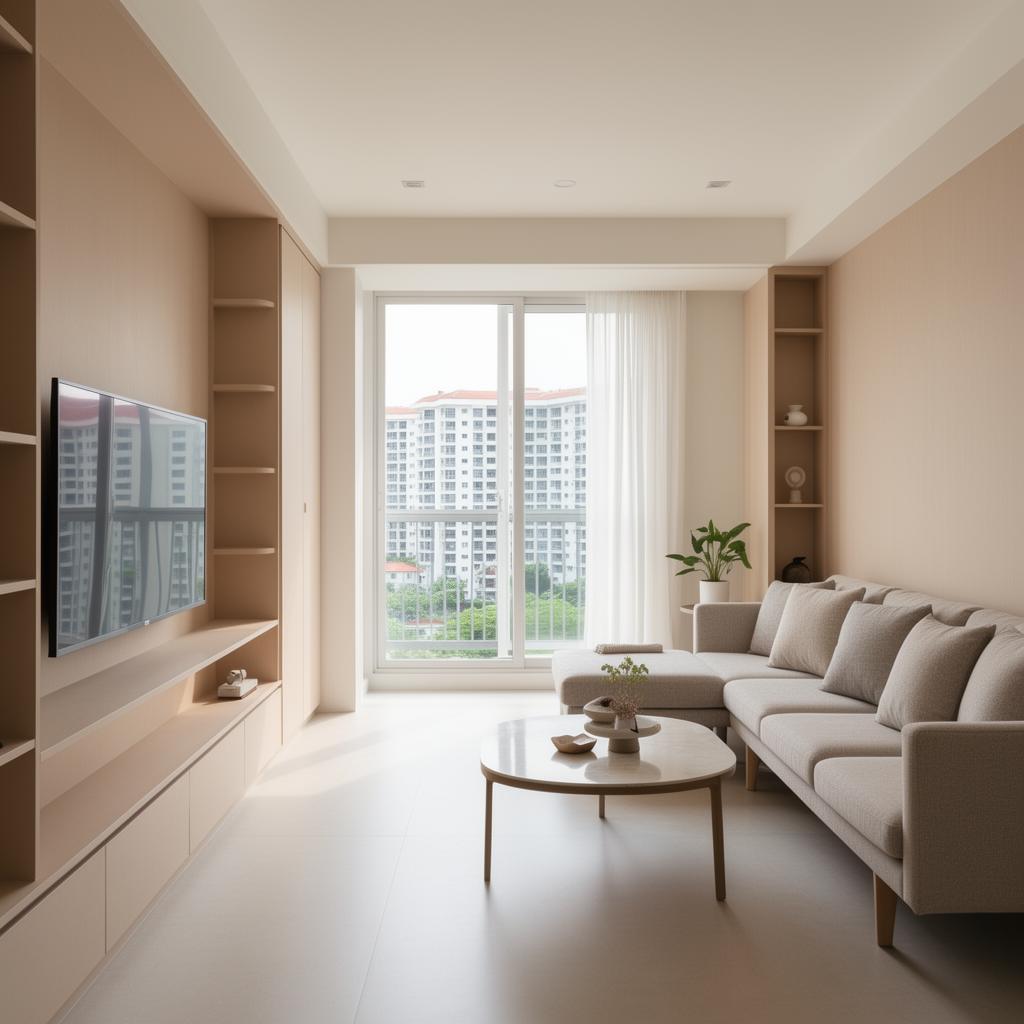
So you just collected your keys — congrats! Then reality hits when you start getting quotes lah. Renovation in Singapore can cost a lot more than many people expect, especially for a first home.
This guide breaks down the typical Singapore renovation cost in plain English, so you know what you're paying for and can plan your budget with less stress.
Key points
- Renovation in Singapore is pricey mainly because of labour, imported materials, and custom carpentry for compact homes.
- Carpentry is usually the single biggest line item, followed by flooring, aircon and electrical works.
- Always keep a buffer of around 10–15% for surprises so a small overrun doesn't derail your plans.
- Compare quotes line by line — the cheapest total often excludes works others include.
- Budget separately for furniture and appliances; they add up fast after the reno is done.
Why is renovation in Singapore so expensive?
A few things push renovation prices up here. Labour and skilled tradespeople cost money, materials are mostly imported, and HDB or condo guidelines mean certain works must be done a specific way.
On top of that, our homes are often compact, so people invest in custom carpentry and clever storage to make the most of every square foot. Custom work always costs more than off-the-shelf furniture.
Common renovation costs to plan for
Here are the usual areas where your money goes:
- Carpentry — built-in wardrobes, kitchen cabinets, and TV consoles. This is often the biggest single cost.
- Flooring — tiles, vinyl, or laminate, plus the labour to lay and level them.
- Electrical works — adding power points, lighting, and rewiring where needed.
- Aircon — supply and installation of units, plus piping and trunking.
- Plumbing and toilets — waterproofing, fittings, and any layout changes.
- Painting — walls, ceilings, and touch-ups across the whole home.
- Furniture and appliances — sofa, bed, fridge, washing machine, and the smaller bits that add up fast.
| Cost area | What's included | What pushes the price up |
|---|---|---|
| Carpentry | Wardrobes, kitchen cabinets, TV console | Custom sizes, premium materials, more units |
| Flooring | Tiles, vinyl or laminate plus laying | Larger area, hacking old floors, levelling |
| Electrical | Power points, lighting, rewiring | More points, smart-home wiring, full rewire |
| Aircon | Units, piping, trunking, install | More rooms, concealed trunking, higher BTU |
| Plumbing & toilets | Waterproofing, fittings, layout | Moving pipes, full toilet overhaul |
Why planning your budget matters
Renovation costs can creep up quietly. A small upgrade here, a nicer tile there, and suddenly you're way over budget.
Setting a clear budget upfront — and keeping a buffer of around 10 to 15 percent for surprises — helps you make calmer decisions instead of panicking halfway through.
Common mistakes homeowners make
- Comparing only the total price, not what's actually included in each quote.
- Forgetting to budget for furniture and appliances after the reno is done.
- Going for trendy designs that may feel dated in a few years.
- Not checking the contractor's track record and reviews.
- Leaving no buffer for unexpected repairs or add-ons.
Example scenario: a 4-room HDB budget
Take a young couple renovating a 4-room HDB flat. They set a S$45,000 budget but fall in love with a feature wall and upgraded kitchen quartz, nudging carpentry up by S$6,000.
Because they kept a 15% buffer (about S$6,750) from the start, the upgrades fit without panic, and they still set aside a separate S$8,000 for furniture and appliances. Spacing the furniture purchases over a few months after handover kept their cash flow comfortable. Figures are illustrative — your costs depend on flat type, scope and finishes.
Practical tips
- Get at least three detailed quotes and compare them line by line.
- Decide your must-haves versus nice-to-haves before you start.
- Prioritise spending on things that are hard to change later, like flooring and wiring.
- Keep a written record of agreed works and timelines with your contractor.
- Set aside a buffer fund so a surprise doesn't derail your plans.
Final thoughts
Renovation doesn't have to be scary. With a realistic budget, clear priorities, and a bit of financial discipline, you can create a home you love without overstretching yourself.
Take your time, ask plenty of questions, and remember — a well-planned reno is always smoother than a rushed one.